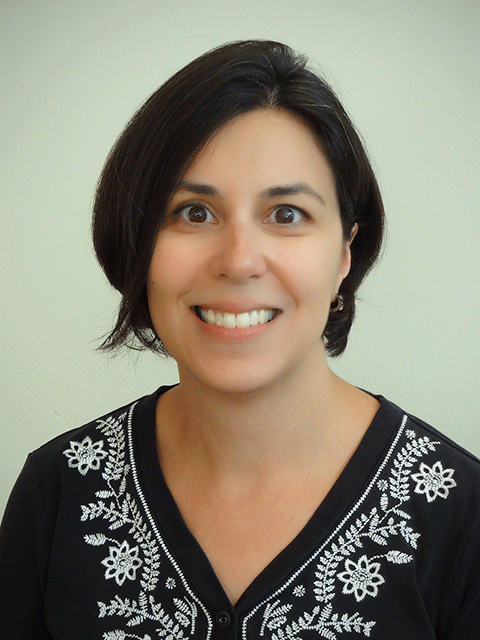
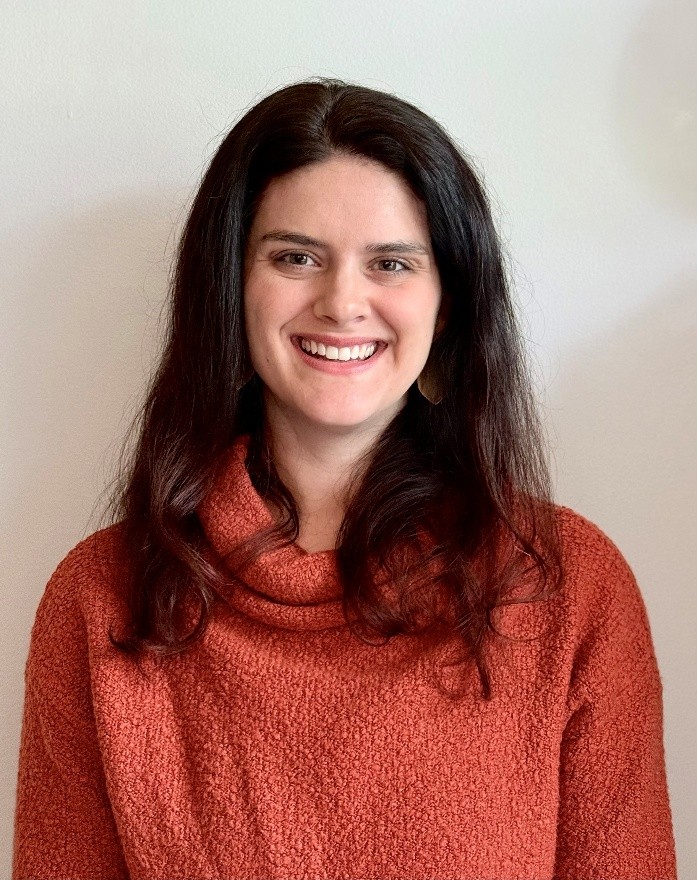
 | Julia Aquadro Assistant Director, Undergraduate Advising
Bowers Student Services
(she/her/hers) |
- Julia's signature strengths: Appreciation of Beauty & Excellence, Kindness, Love, Gratitude, Fairness
- Ways Julia supports her well-being: I support my well-being through walks and hikes, being with my family and friends, and listening to music. Sitting outside quietly while listening to nature helps me recharge; Ithaca is great for this!
- Personal interests: I love spending as much time outdoors as possible, including hiking and camping in the summer. I also love traveling, doing DIY projects around my house, and spending time with my family and dog.
|
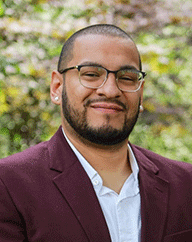 | Ricky Boche, MSEd Assistant Dean for Student Support and Advocacy Services
Dean of Students
(he/him/él) |
- Ricky's signature strengths: Love, Hope, Judgment, Fairness, Humility, Teamwork
- Ways Ricky supports his well-being: I support my well-being by playing video games and relaxing with my partner and two cats. It is important to me to appreciate and respect my down time while I have it. As anyone working or studying at Cornell, we can be running around from one thing to the next. I like to slow down outside of work and focus on me.
- Personal interests: I am a big foodie, so please talk to me about food (but not cooking)! I also enjoy group fitness classes and playing video games.
|
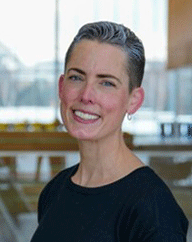 | Kate Buckley, MEd Well-being Program Director
College of Veterinary Medicine
(she/her) |
- Kate's signature strengths: Gratitude, Humility, Appreciation of Beauty & Excellence, Honesty, Fairness
- Ways Kate supports her well-being: Cornerstones of my well-being include: regular exercise (especially strength training and stretching), listening to music, practicing gratitude and awe, learning new things (often via podcasts and books), cultivating non-judgmental perspective (of myself and others), and qualitatively connecting with people I care about. I’m also working on getting more rest…however imperfectly.
- Personal interests: Aside from my well-being practices above, recently, I’ve been enjoying visiting thrift stores with my two daughters (watching their sense of fashion evolve is a hoot). I’m an aspiring minimalist too, and have been trying to integrate more creative pursuits back into my life, including watercolor painting. I also adore synchronicities and am always on the lookout for them.
|
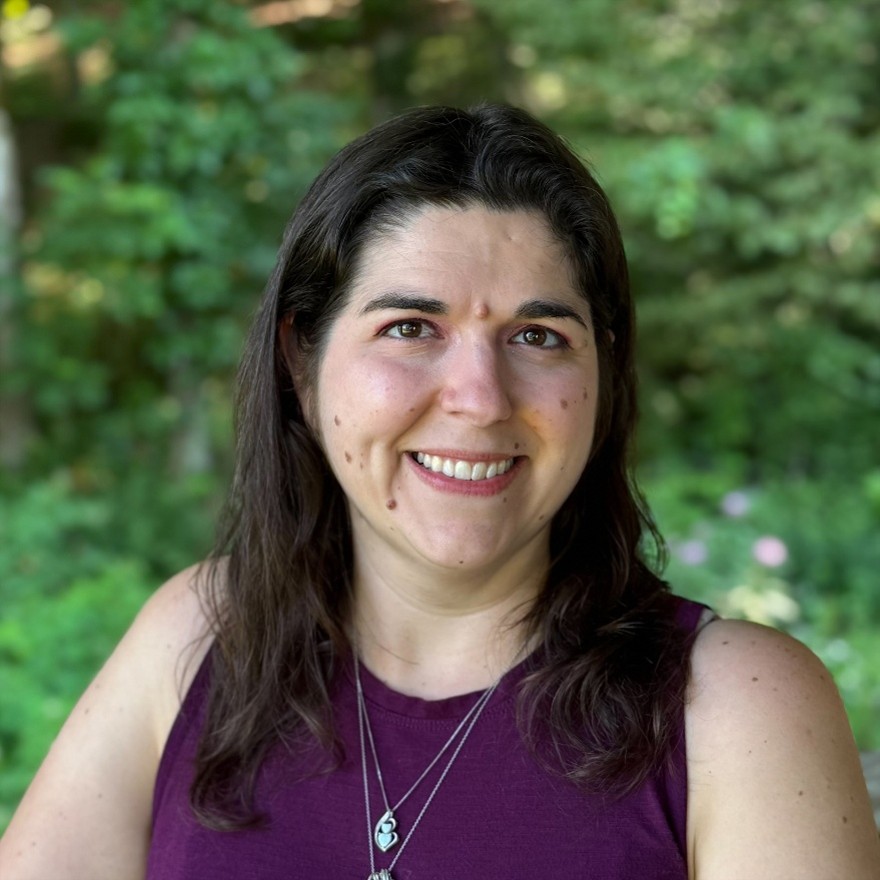 | Becca CampbellAssistant Director of Undergraduate Advising and Student Services
Jeb E. Brooks School of Public Policy
(she/her) |
- Becca's signature strengths: Gratitude, Forgiveness, Honesty, Kindness, Love
- Ways Becca supports her well-being: I support my well-being by spending quality time with my loved ones; especially my husband and my pup Minnie, taking long walks, prioritizing sleep, and taking brain breaks by reading romance novels and working on the office puzzle.
- Personal interests: Reading, listening to music, singing and playing the ukelele, cooking and baking, DIY crafts/gifting, I love cheese (bleu, stinky, mild, imported, domestic, soft, firm, semi-firm, holey, aged, smoked... I could go on, but I wouldn't want to bore you), Disney, movie, and musical theater trivia.
|
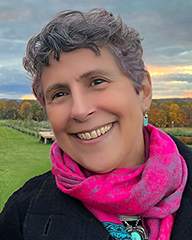 | Amanda Carreiro, MAPP House Assistant Dean
West Campus House System
(she/her) |
- Amanda's signature strengths: Perspective, Leadership, Teamwork, Hope, Kindness
- Ways Amanda supports her well-being: The primary ways I support my own well-being are through mindfulness meditation, playing with my dogs, spending time with family and friends, going to CrossFit regularly, getting out in nature and practicing gratitude.
- Personal interests: I’m passionate about all things Frisbee. I spent more than 20 years competing in Ultimate Frisbee and other disc sports, and I coached the Cornell Women’s Ultimate team for many years. Although I’ve retired from both competition and coaching, I still enjoy getting outside and throwing a disc around whenever I can.
I also love exploring the Finger Lakes region, especially visiting farmers markets, antiquing, and touring local vineyards. In my free time, I enjoy traveling, particularly to other countries, spending time with my two dogs, and being with my son, who is currently pursuing his PhD at Columbia University.
|
 | Carl CornellAssistant Director of Undergraduate Advising
Bowers College, Computer Science
(they/he) |
- Carl's signature strengths: Kindness, Love of Learning, Fairness, Leadership, Honesty, Humor
- Ways Carl supports their well-being: I love meditation (especially body-scan meditations), volunteering, and connecting with members of the communities I support.
- Personal interests: I love video games, reading, and listening to podcasts (especially one with a mystery/horror theme). I also love gardening with my partner, spending time with close friends, and my guilty pleasure is reality TV game shows.
|
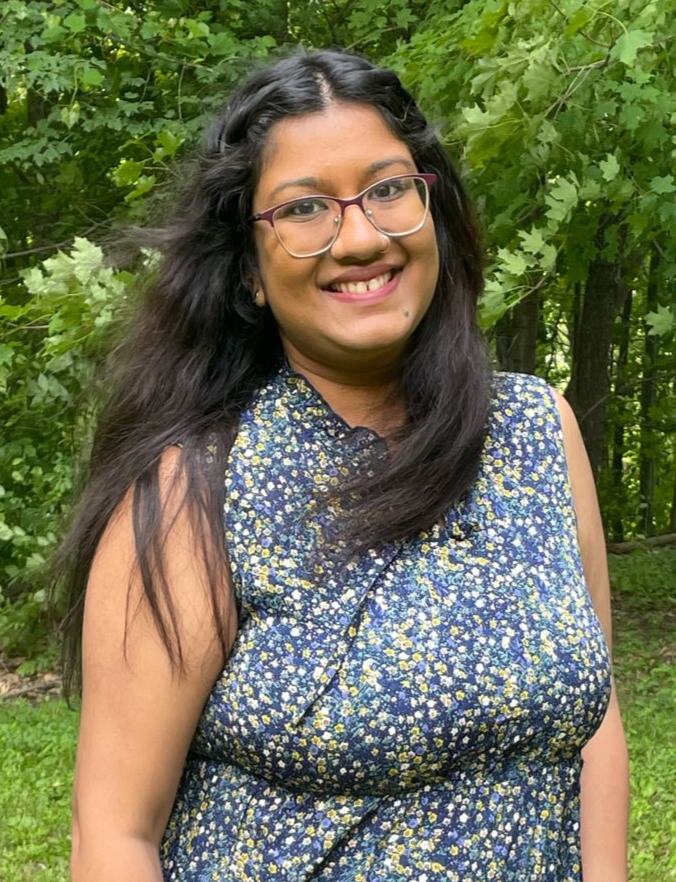 | Perdita Das, MBAHouse Assistant Dean
West Campus House System
(she/her/hers) |
- Perdita's signature strengths: Humor, Leadership, Kindness, Fairness, Judgment
- Ways Perdita supports her well-being: Celebrating small and big milestones, setting boundaries and saying no, spending quality time with people who recharge me and my two cats Jasper and Rosemary, cooking and trying out new recipes, and asking for help (still a work in progress!).
- Personal interests: Exploring new cities, cooking, Doctor Who, Harry Potter, tattoos, and Taylor Swift!
|
 | Foula Keagan Dimopoulos, MSW, LMSWSenior Advisor for EOP, HEOP & Pre Professional Programs/First Gen Program Coordinator
Office of Academic Discovery and Impact (OADI)
(ze/hir/hirs | he/him/his) |
- Foula's signature strengths: Love of Learning, Bravery, Perspective, Curiosity, Justice
- Ways Foula supports hirs well-being: I support my well-being through writing, playing video and board games, spending time with people I love, especially my partner, Kay, and our sometimes feral feline, learning new things, and exploring NY State Parks and beyond. I’m working on sleeping better and meditating!
- Personal interests: Building LEGO sets, printmaking, reading, traveling and adventuring to old and new places, learning, and being involved in my communities whether based on geography, identities or causes.
|
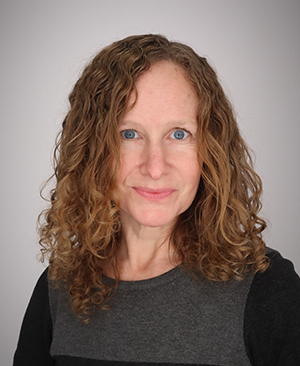 | Amy Drumluk, MEdAssistant Director of Advising and Coordinator of First-Year Programming
Office of Undergraduate Biology
(she/her/hers) |
- Amy's signature strengths: Appreciation of Beauty & Excellence, Humor, Love of Learning, Honesty, Kindness
- Ways Amy supports her well-being: I support my well-being by going for walks and spending time outside, stopping to take pictures of sunsets any chance I get, listening to a variety of podcasts, and spending time with my dog – a goofy chocolate golden doodle.
- Personal interests: I love baking, cooking, reading, being on the lake, exploring local waterfalls, listening to music and spending time with my family.
|
 | Sophia Givre, PhDDirector, Inclusive Academic Advising
College of Agriculture and Life Sciences
(she/her) |
- Sophia's signature strengths: Love of Learning, Honesty, Kindness, Humor, Judgment
- Ways Sophia supports her well-being: Being outside on nice days, yoga, meditation, HIITS, listening to music, and prioritizing a balanced approach to work and personal life.
- Personal interests: Podcasts, hiking, trying local foods, travel, CliftonStrengths coaching, watching shows and movies.
|
 | Amanda Gonzalez, MEdAssociate Director, Student and Career Development
College of Human Ecology
(she/her) |
- Amanda's signature strengths: Love, Perspective, Honesty, Gratitude, Fairness
- Ways Amanda supports her well-being: I support my well-being by spending time in person and on the phone with friends and family near and far, learning new things that interest me, utilizing counseling as a valuable resource when I’m feeling overwhelmed, and by appreciating nature.
- Personal interests: I’m interested in personality assessments, trying new things, hiking outdoors, rock climbing indoors, pickleball, dancing, comedy, Broadway musicals, watching shows and movies, and going on adventures.
|
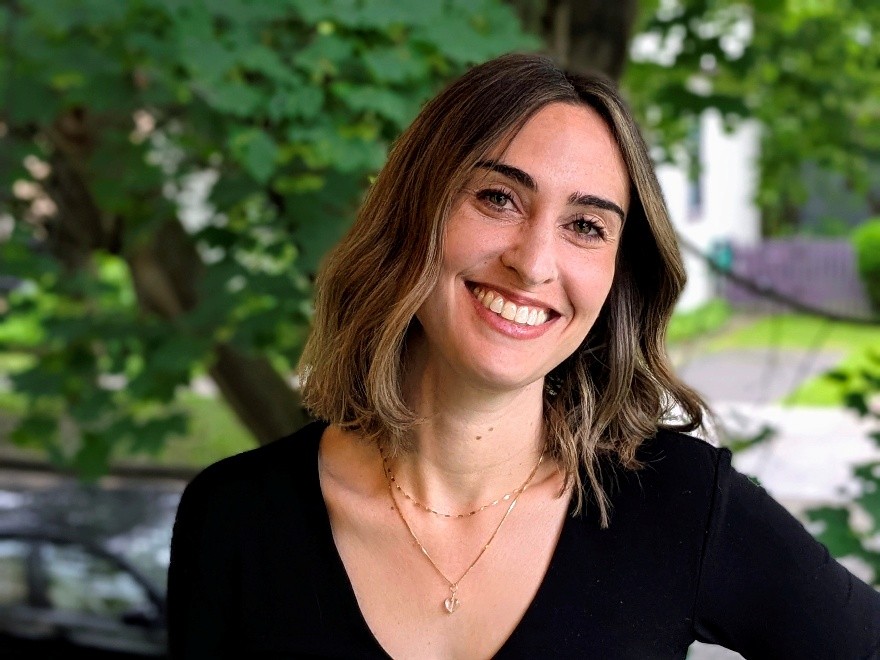 | Hilary Hensley, MEdHigher Education Opportunity Program Advisor
Office of Academic Discovery and Impact
(she/her) |
- Hilary's signature strengths: Honesty, Love of Learning, Humility, Social Intelligence, Appreciation of Beauty & Excellence
- Ways Hilary supports her well-being: I’ve learned that intentionally giving myself a few minutes of transition time when switching between tasks throughout the day makes a big difference for me. I also take long walks in nature to decompress as often as I can (trying to do this even in winter, which I’m pretty proud of as a native Southern-Californian!).
- Personal interests: I love eating the spiciest food I can find, learning and practicing languages, listening to heavy metal/hardcore music, running outside, reading too many science fiction/fantasy novels, and cooking new recipes with my husband.
|
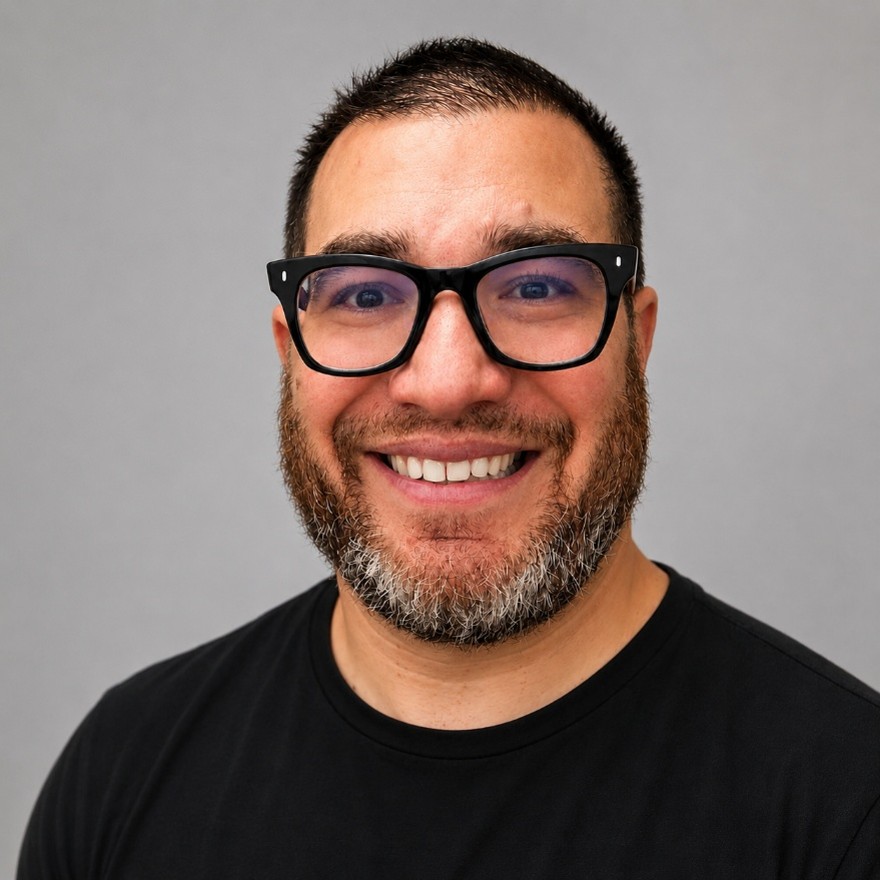 | Jason Hecht, PhDSenior Research Associate
Institutional Research and Planning
(he/him/his) |
- Jason's signature strengths: Love, Perspective, Love of Learning, Judgment, Social Intelligence
- Ways Jason supports his well-being: By seeking to understand myself better and developing strategies that help me navigate daily life with greater intention and self-compassion. Other aspects of my self-care include setting aside unstructured time for myself, maintaining a regular sleep routine, and investing in relationships with family, friends, and colleagues.
- Personal interests: Being a homebody with my family and dogs. Science fiction and fantasy literature/TV/movies. Supporting my favorite teams/sports (Arsenal, Knicks, Yankees, and F1 racing). Cooking. Repairing and restoring vintage watches. Music (I hosted a radio show in college and am a mediocre guitar player).
|
 | Jamie Hom, MAAssociate Director of Student Programs
Student and Young Alumni Programs
Alumni Affairs & Development
(she/her) |
- Jamie's signature strengths: Love of Learning, Curiosity, Honesty, Gratitude, Kindness
- Ways Jamie supports her well-being: Well-being is about living a life well lived. It is about learning and exploring in who makes you…YOU, while having a curious, resilient, and growth mindset. Ways I support my well-being is ensuring I’m taking care of myself holistically and giving myself grace when I’m having a hard time. This includes, but is not limited to, making sure I am eating well-rounded nutrient food, moving my body with daily exercise, hanging out with my friends and family, trying new hobbies, or exploring the outdoors!
- Personal interests: Outside of work, you can find me teaching an indoor cycling class or on hiking adventures with my dog, Clara, and checking off visiting all 63 United States national parks.
|
 | Olivia Hopewell, PhDGraduate Student Life Advisor
The Graduate School
(she/her) |
- Olivia's signature strengths: Appreciation of Beauty & Excellence, Social Intelligence, Humor, Creativity, Perspective
- Ways Olivia supports her well-being: The biggest way I support my well-being is working with my brain rather than against it. I've spent a lot of my life being frustrated with the way my brain works, but when I give myself the space to think and just be as myself, life feels so much better. Getting outside and walking my dog helps, too.
- Personal interests: I always say I have two modes: reading Plato in Greek or watching Real Housewives of Salt Lake City. More seriously, I've recently gotten back into reading after a long post-grad-school-hiatus, and I especially love horror and phenomenology. I also love lifting, exploring the trails around Ithaca with my wife and pup, and making too much soup.
|
 | Suzanne Horning, MS Associate Director
The Cornell Commitment
(she/her) |
- Suzanne's signature strengths: Humility, Perspective, Kindness, Prudence, Appreciation of Beauty and Excellence
- Ways Suzanne supports her well-being: Spending as much time outside as possible, getting a walk in at least once a day, spending time with my husband and rescue dog, Clyde, and staying connected to family and friends.
- Personal interests: I volunteer with the Cornell Raptor Program. I am huge hockey fan and have had season tickets to Cornell Men’s Ice Hockey for more than 15 years!
|
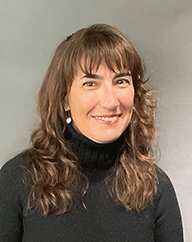 | Kendra Hutchins, MSAssistant Director of Advising and Coordinator of the Collaborative Engagement in Learning Life Sciences Program
Office of Undergraduate Biology
(she/her) |
- Kendra's signature strengths: Kindness, Fairness, Perspective, Appreciation of Beauty & Excellence, Love
- Ways Kendra supports her well-being: I prioritize my well-being by staying grounded through running and making time for fulfilling hobbies that spark creativity. Daily reading helps me unwind, while spending time with my pets (two cats and a dog) and friends keeps me connected and nurtures my spirit. I try to cultivate gratitude as a daily practice and find renewal in nature, where I can slow down, breathe deeply, and recharge.
- Personal interests: I really love working with my hands—whether its metalsmithing, cooking a new recipe, or knitting. I find joy in the creative process and deep satisfaction in making things from scratch. I am always excited to try new things and learn new skills (knifemaking was my most recent endeavor, where I got to learn forging and woodworking techniques!). I also enjoy sailing and traveling, which engage my sense of adventure and offer fresh perspectives and a deeper connection to the people and world around me.
|
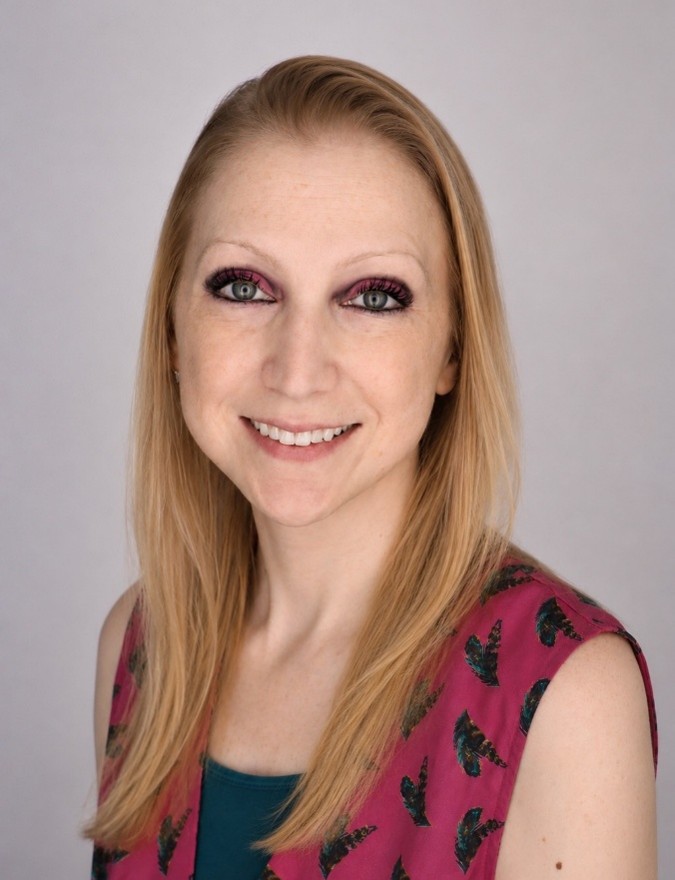 | Sarah Janusz, MS, MEdAssistant Director & Disability Access Consultant
Student Disability Services
Cornell Health
(she/her) |
- Sarah's signature strengths: Honesty, Love of Learning, Gratitude, Hope and Kindness
- Ways Sarah supports her well-being: I support my well-being is by engaging in moments that ground me and allow me to embrace calmness. Listening to lofi music all day, watching the aquarium jellyfish cam to relax and taking pictures of the falling rain are some of my favorites.
- Personal interests: Exploring the Finger Lakes and Ithaca areas has become a daily adventure for me. I am passionate about food and love learning a new recipe or tasting a new dish. I am always looking for a movie recommendation or a new show suggestion to watch.
|
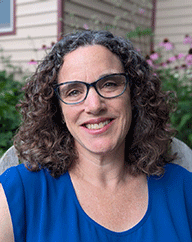 | Sharon Kaplan, MSAcademic Advisor
Experiential Learning Focus
Division of Nutritional Sciences
(she/her) |
- Sharon's signature strengths: Honesty, Kindness, Love, Humor, Appreciation of Beauty & Excellence
- Ways Sharon supports her well-being: I feel my best when I make time for daily movement practice – walking, Pilates or yoga - as well as eating nutritious food. Coffee and chocolate must factor into each day for me. I also need time with family and friends, in my garden, and cuddling with my dogs.
- Personal interests: I love reading books, especially historical fiction, and watching comedy and drama shows. Crafting has always been a big part of my life – I make handcrafted soaps and paper, which I use at home as well as gift to others. Exploring the Finger Lakes (and beyond) via hiking and paddling puts me in my happy place.
|
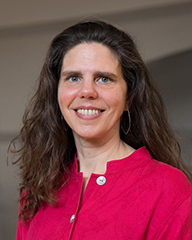 | Andrea Kiely, MA, MATHealth Leaves Coordinator
Student Disability Services
Cornell Health
(she/her) |
- Andrea's signature strengths: Honesty, Humor, Self-regulation, Perseverance, Hope
- Ways Andrea supports her well-being: I take care of my well-being by running, taking long walks with my husband and dogs, cuddling with my golden retrievers, and watching Ted Lasso.
- Personal interests: I love running, and I am actively involved in a local running club. I enjoy listening to audiobooks, particularly British romantic comedies. I spend a lot of time in the kitchen cooking healthy vegetarian meals and baking tasty treats with nutritious ingredients. You can often find me at rinks all over New York watching my 14-year-old daughter’s ice hockey games. I also enjoy trips to Philadelphia, where my 20-year-old daughter is currently studying. I am interested in history and exploring other countries and cultures.
|
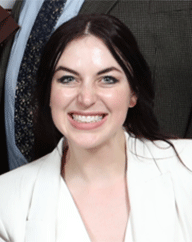 | Shanna LeipzigHigher Education Opportunity Program Advisor
Office of Discovery and Impact
(she/her) |
- Shanna's signature strengths: Curiosity, Humor, Love of Learning, Gratitude
- Ways Shanna supports her well-being: I support my well-being by giving myself permission to prioritize the important things and let go of the small things (I’m a recovering perfectionist). I love to learn new skills, and I dedicate time to the things that energize me vs. drain me. I spend time each night taking care of myself through scheduled alone time, watching TV, or listening to audiobooks. I also prioritize making time for the things that are most important to me—my friends, family and hobbies.
- Personal interests: Making things! (Pottery, stained glass, baking, homemade kombucha and cheese, crocheting, gardening, making Halloween costumes, etc.) I also love walking, podcasts, roller skating and traveling.
|
 | Ben Martin, MAAssociate Director
Engineering Advising
(he/him) |
- Ben's signature strengths: Fairness, Spirituality, Humility, Humor, Judgment
- Ways Ben supports his well-being: Silence / solitude in the morning, yoga, running, and reading.
- Personal interests: Enjoying time with my family: Sara, Asher, & Millie (and our dog Olive). I love games (Smash-up, Sushi Go, Pokémon TCG), movies, and coffee shops.
|
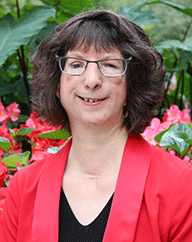 | Erin Sember-Chase, MSLearning Consultant
Department of Inclusion and Belonging
(she/her) |
- Erin's signature strengths: Humor, Leadership, Gratitude, Judgment, Bravery
- Ways Erin supports her well-being: Laughing and making others laugh! I read biographies/nonfiction when I want to learn something new and I read cozy mysteries for pure non-thinking fun. When life gets uncertain or particularly challenging, I watch reruns of my favorite old sitcoms- it’s comforting to know what’s going to happen AND to laugh a lot!
- Personal interests: Along with spending time with loved ones, I watch cooking competition reality shows and have far too many subscriptions to cooking magazines but won’t cancel any of them. I like putting together puzzles that have lots of fun stuff going on (a 1000 pieces of just green trees and blue sky is so not fun to me!)
|
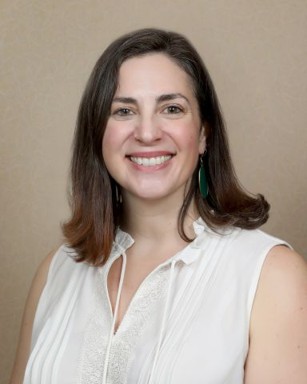 | Gabrielle Smith, MSEdAssistant Director, Student Success Programs and OADI, Program Innovation
Office of Academic Discovery and Impact
(she/her) |
- Gabrielle's signature strengths: Social Intelligence, Humor, Love of Learning, Judgment, Curiosity
- Ways Gabrielle supports her well-being: I support my wellbeing by prioritizing my sleep and making sure I get enough alone time in order to recharge. Activities that recharge me are unscheduled days, exercise, exploring my interests, finding a good show to watch, and spending time with loved ones.
- Personal interests: I enjoy gardening, dreaming up home improvement projects, striving towards minimalism and sustainable living, travel, and outdoor adventures. I also enjoy supporting the interests of my two sons (12 and 14 yrs).
|
 | Ethan Stephenson, PhDDirector of Faculty Living-Learning Programs
Office of the Vice Provost for Undergraduate Education
(he/him) |
- Ethan's signature strengths: Honesty, Fairness, Perspective, Judgment, Social Intelligence
- Ways Ethan supports his well-being: In addition to working out when I get the chance, I build exercise into my daily routine with dog walks and walking to work. I love to cook and bake so I end up preparing most of the food I eat. I work hard on creating a healthy work/life balance. I spend a lot of time with my family. I try to maintain regular sleep habits, something that was much harder when I was in college.
- Personal interests: Biking, baking, cooking, reading
|