


Know what's in your cup
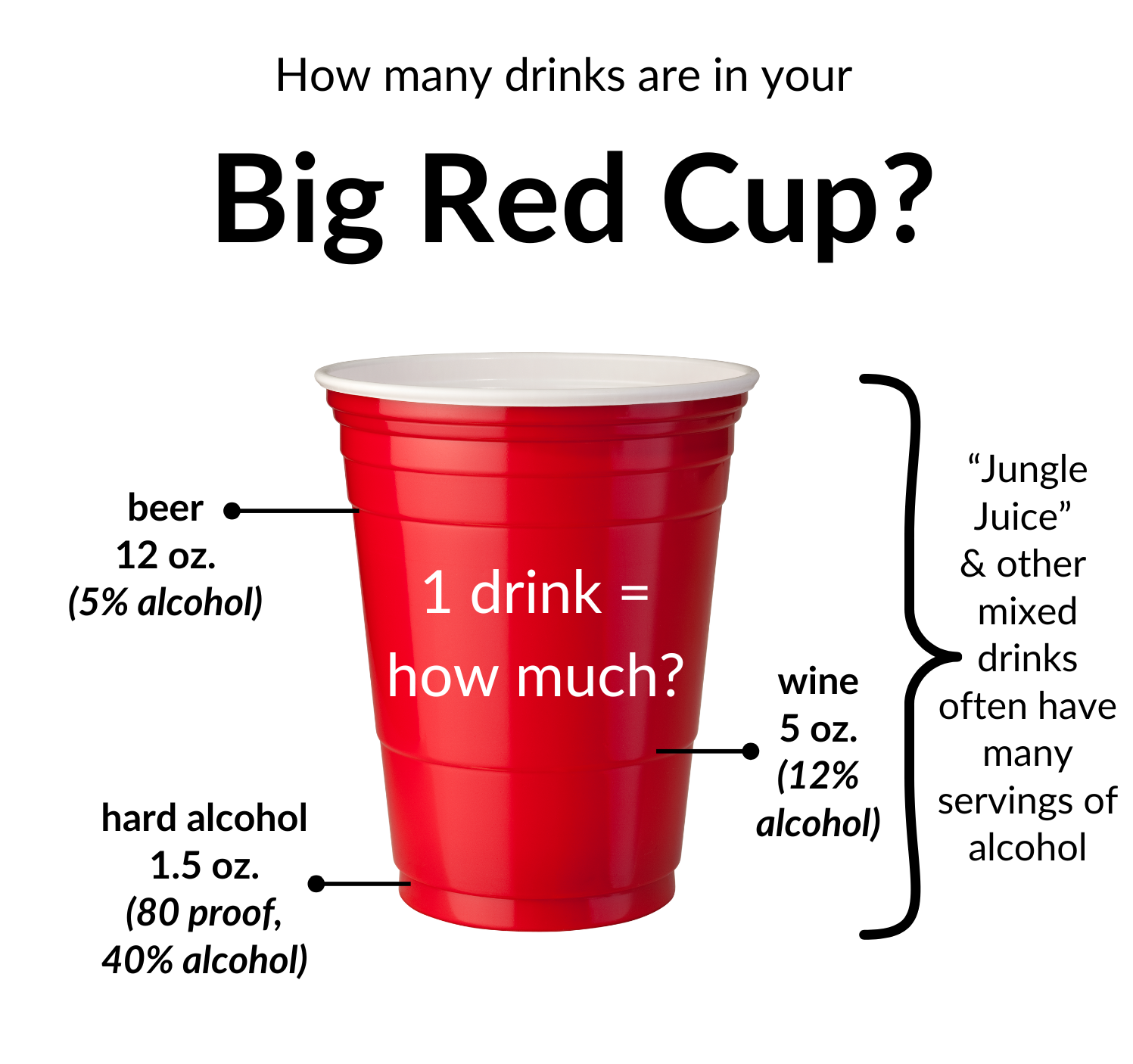
Every student should know...
- the rules and policies for alcohol use at Cornell, including:
- you must be 21+ to legally consume alcohol
- cannabis use is prohibited on Cornell’s campus
- the signs of – and what to do in – an alcohol or other drug emergency
- how Cornell’s Good Samaritan Protocol and NY State Law protect you if you call 911 for help in an alcohol or other drug emergency
Alcohol use at Cornell
The majority of Cornellians drink moderately or not at all.
In fact, half of Cornell undergraduate students report not drinking alcohol during their time at Cornell (Fall 2025 Alcohol and Social Life Survey).
"Special event" high-risk drinking
For those who do drink alcohol, excessive/binge drinking sometimes increases on Homecoming, Halloween, Spring Break, Slope Day, and other "special" occasions.
High-risk drinking can have negative consequences – including causing an alcohol overdose, which can cause permanent brain damage, or death.
It's important for all students to know the signs of an alcohol (or other drug) emergency and to call 911 if someone needs help.
(Cornell’s Good Samaritan Protocol and NY State’s Good Samaritan Law protect those who call 911, and those who need assistance, in an alcohol or other drug emergency.)
Tips for lower-risk drinking
If you do drink alcohol, here are ways to reduce the risks.
Eat before you drink. Eating helps to absorb alcohol more slowly and safely. This is especially important for women and people assigned female at birth who process alcohol differently (and get drunk faster) than men and people assigned male at birth.
Set a limit. Make a plan for how many drinks you intend to consume, and stick to it. Tell a friend who can help hold you accountable.
Pace your drinks (no more than one per hour) to keep your BAC (blood-alcohol concentration) in check.
Avoid hard alcohol (the cause of nearly all alcohol emergencies), as well as shots, funnels, borgs, chugging, and drinking games.
Stay hydrated. Try alternating alcoholic and non-alcoholic drinks.
Other considerations
Keep the following in mind.
Alcohol can affect you differently depending on your weight, sex, and other factors. Someone who smaller, lighter, female/assigned female at birth, or not used to drinking much alcohol will feel the effects of alcohol more strongly.
Be aware of "situational tolerance." If you usually drink in certain settings / at certain times, drinking in a different setting / at a different time can cause the same amount of alcohol to have a stronger effect. (Learn more about "situational tolerance.")
- Vomiting doesn't "un-do" drinking. Vomiting from alcohol use is a sign that the body can’t handle more alcohol. Once vomiting occurs, much of the alcohol is already in the blood system, and only time removes it. Be prepared to call 911 in an alcohol emergency.
Other drug use
Find tips and information about cannabis/marijuana use, as well how to get free opioid overdose prevention supplies (Naloxone [Narcan] spray and Fentanyl & Xylazine testing strips).
Watch out for your friends
- Know the signs of an alcohol or other drug emergency. Alcohol poisoning and drug overdoses can be fatal.
- Call 911 for help if someone is passed out and unresponsive, vomiting while passed out, or is experiencing slow or irregular breathing or very low body temperature.
- Don't be afraid to do the right thing. Cornell’s Good Samaritan Protocol and NY State’s Good Samaritan Law protect those who call 911, and those who need assistance, in an alcohol or other drug emergency.
For those planning parties
Expect increased police presence on and around campus on Halloween, Slope Day, and other "special event" days, and remember ...
- It's your responsibility to control yourself and your guests.
- It's a Class A misdemeanor to provide alcohol to anyone under the age of 21. Penalties for violation may result in jail term of up to one year and/or a fine of up to $1,000.
- Hard alcohol (more than 30% alcohol by volume) is not permitted in any Greek residential chapter house at any time.
- Overcrowding can lead to problems: blocked exits, a porch collapse, and your yard becoming an "outdoor bathroom facility" (another finable offense).
- Call 911 if your party gets out of control, or if someone is incoherent or passed out and can't be roused.
- Read additional tips for partying without the police.