


Know what's in your cup
Know when to call for help
Alcohol poisoning and other drug overdoses can be fatal. Call 911 immediately if someone:
- Cannot be awakened or cannot stay awake
- Is vomiting while passed out or cannot respond coherently while vomiting
- Has slow, irregular, or interrupted breathing
- Has cold, clammy skin or bluish lips
- May have a head injury
If you’re unsure whether it’s an emergency, call anyway. Stay with the person and follow the dispatcher’s instructions. Do not leave them to “sleep it off.” Learn more about emergency signs and what to do.
Don’t let fear of getting in trouble delay a call. Cornell’s Good Samaritan Protocol and New York State’s Good Samaritan Law provide protections for people who seek or receive help in an alcohol or other drug emergency.
Whether you’re going out on a regular weekend or planning for a special event like Homecoming, Halloween, St. Patrick’s Day, or Slope Day, Cornell students regularly employ a variety of lower-risk drinking tips to help them connect and celebrate with friends without the harms associated with alcohol and other drugs (AOD).
Whatever your plans, you deserve to have fun while feeling safe, respected, and supported. These tips can help you make informed choices about AOD, look out for one another, and get help when needed.
Before you go out
Know how alcohol can affect you.
Alcohol’s effects can vary depending on body size, medication use, and whether and how much you typically drink. Learn also why sex and gender matter when it comes to alcohol.
Hungry, angry, lonely, or tired? Check in with yourself before drinking to avoid added harm.
Special occasions can also bring new alcohol offerings (like themed drinks or specialty BORGS) and/or pressure to drink more than usual.
Consider these factors before you go out:
- Choose how you want to participate. You can celebrate without alcohol or other drugs, leave early, or skip a gathering.
- Set a limit if you plan to drink. Decide how much you intend to consume and share your plan with a friend.
- Eat beforehand. Food slows alcohol absorption; it does not prevent intoxication.
- Plan your trip home. Arrange transportation that does not depend on anyone driving after drinking or using drugs.
- Stay connected. Charge your phone and agree on check-ins with friends.
If you drink, reduce the risks
Know what’s in your drink.
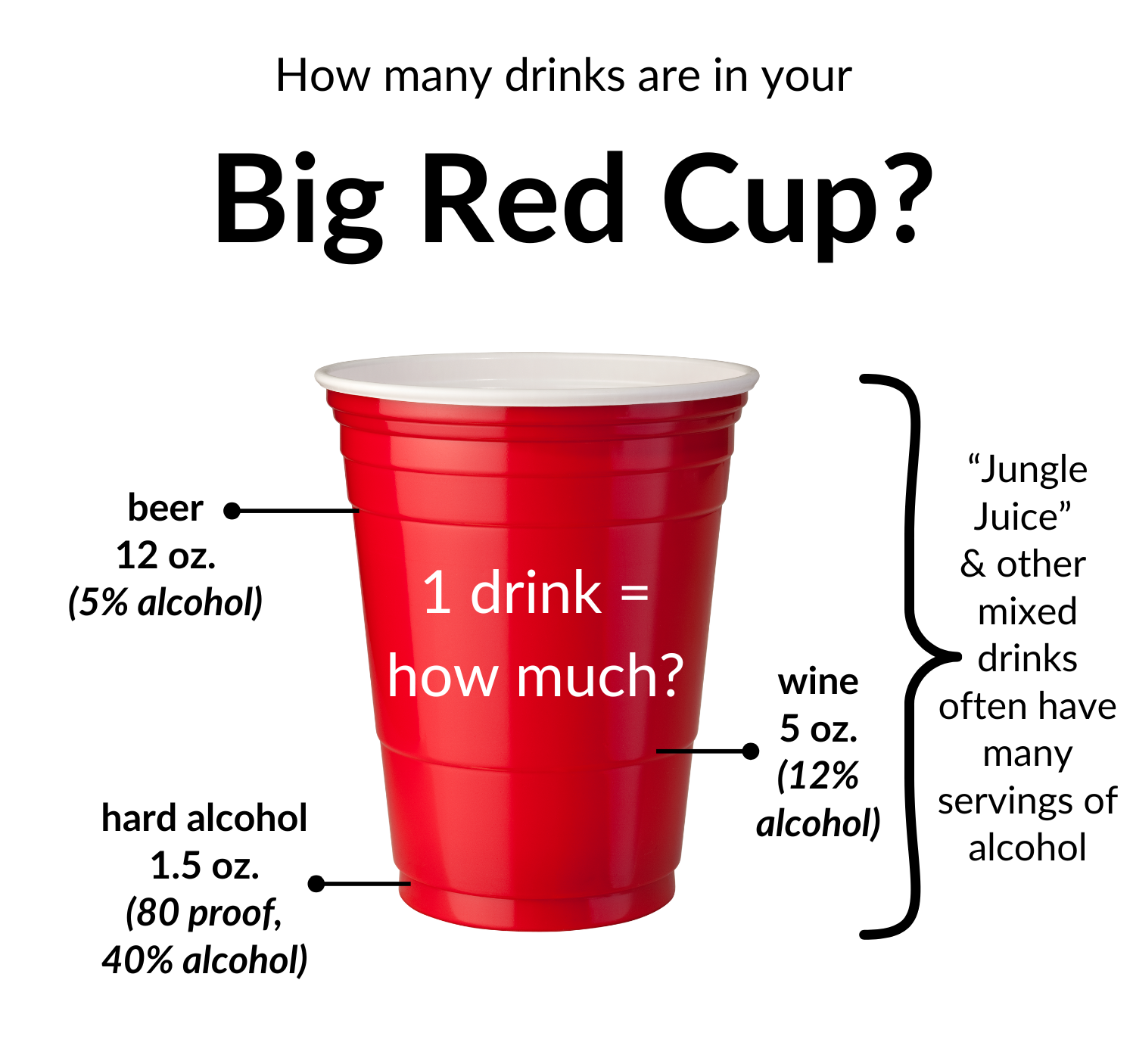
One container does not necessarily equal one drink. Strong beers, large pours, and mixed drinks may contain several standard drinks. Shared drinks, “jungle juice,” and BORGs can make it especially difficult to know how much alcohol you’re consuming.
A standard drink is approximately:
- 12 ounces of beer at 5% alcohol
- 5 ounces of wine at 12% alcohol
- 1.5 ounces of liquor at 40% alcohol
Learn more about standard drinks.
Go slowly and avoid rapid drinking.
- Pace yourself. Drink slowly, take breaks, and keep track of how much you consume.
- Alternate with nonalcoholic drinks. This can help you slow down and stay hydrated; water does not sober you up.
- Avoid shots, chugging, funnels, and drinking games. These can deliver large amounts of alcohol quickly.
- Avoid mixing alcohol with other drugs. Check with a pharmacist or clinician about interactions with medications.
A new setting can change alcohol’s effects.
The time, location, and people you’re with affect your response to alcohol. If you regularly drink in similar settings, your body can learn to anticipate alcohol and prepare for its effects. In an unfamiliar setting, those cues may be missing, and the same amount may affect you more strongly. This is called situational tolerance.
Take vomiting seriously.
Vomiting is a warning sign, not a way to sober up. If you vomit, stop drinking. If someone is vomiting while passed out, cannot stay awake, or shows other emergency signs, call 911 immediately.
Respect boundaries and look out for each another
- Respect someone’s decision not to drink or use drugs. Don’t pressure others to participate or explain their choices. No one needs to explain their choice.
- Check in when something seems wrong. Ask, “Are you okay?” or “Do you want to leave?” Help the person connect with a trusted friend or support.
- Interrupt pressure or harmful behavior. If someone is being pressured to drink, use drugs, or engage in sexual activity, step in or get help.
- Respect consent. Someone who is incapacitated by alcohol or other drugs cannot consent to sexual activity.
- Help friends get home safely. If someone shows any signs of an alcohol or other drug emergency, call 911 for medical assistance rather than simply taking them home.
Alcohol and other drugs can be used to facilitate sexual assault. Drinking or using drugs never makes someone responsible for another person’s decision to commit sexual violence.
Know the risks of other drugs
The vast majority of Cornell students do not use other drugs. In surveys of Cornell students, five percent or fewer respondents report using drugs other than cannabis, alcohol, or tobacco (Fall 2025 Alcohol and Social Life Survey).
- Find information about cannabis / marijuana, including effects and risks.
- Free naloxone (Narcan) nasal spray and fentanyl and xylazine test strips are available on campus. Learn where to get overdose prevention supplies and how to use them.
- If someone becomes unexpectedly impaired or incapacitated or you suspect they were given a drug without their knowledge, seek medical help promptly. Call 911 if they show emergency signs or you’re unsure.
Hosting a gathering? Plan for everyone’s well-being
- Make it welcoming without alcohol. Assume that some of your guests are sober. Provide food and nonalcoholic drinks.
- Respect guests’ choices. Don’t allow pressure to drink or use other drugs, or participate in drinking games.
- Keep the space safe. Keep exits clear, prevent overcrowding, and consider your neighbors.
- Arrange for sober hosts. Have people available to check on guests, respond to concerns, and help arrange transportation.
- Know the rules. Follow current university, organization, and local requirements. Do not provide alcohol to anyone under 21.
- Act promptly when someone needs help. Call 911 for a suspected alcohol or drug emergency or an immediate threat to safety.
Review Cornell’s alcohol and other drug rules and policies.
Get support if you need it
If you’re concerned about your substance use, worried about a friend, or unsettled by something that happened, support is available.
- Medical care and advice: Call Cornell Health at 607-255-5155 (24/7 consultation available)
- Alcohol and other drug support: Alcohol & Other Drug Services
- Mental health support: Counseling & Psychological Services (CAPS)
- Confidential support after sexual violence: SHARE Office Victim Advocates